


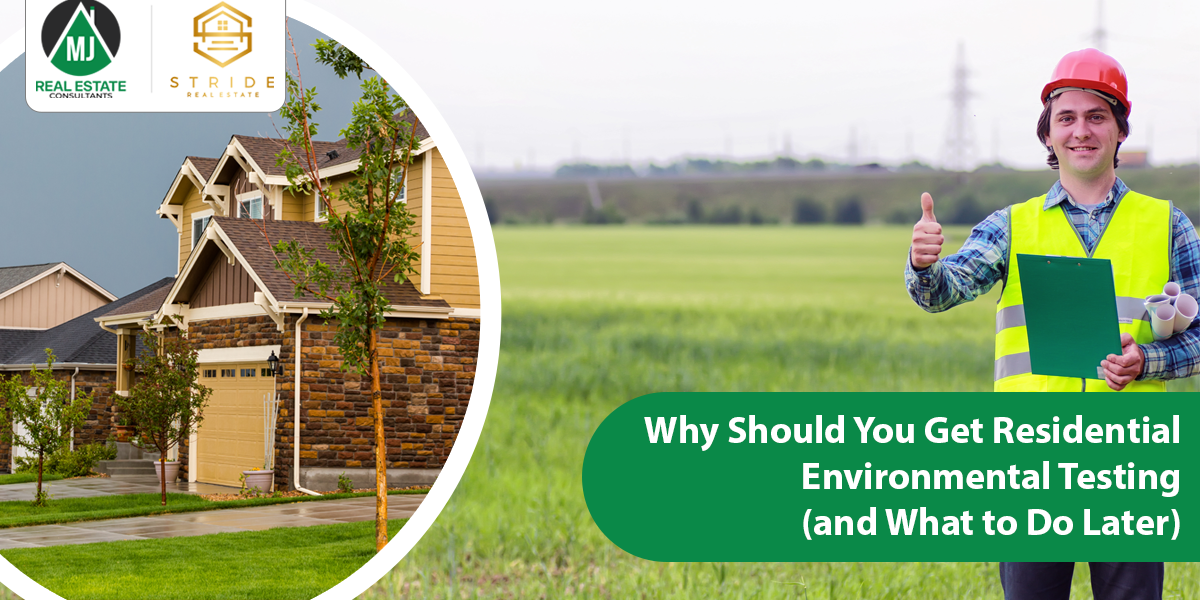
The home buying or selling process is a whirlwind of activities, and a key aspect of it is often forgotten – residential environmental testing. Maybe you’ve discovered your dream house or are an enthusiastic buyer, but what is underneath could be a Pandora’s box of environmental hazards. Let’s explore why residential environmental testing is important and what to do after the tests are done.
Understanding Residential Environmental Testing
Residential environmental testing determines the air, water, and soil quality in and around the property. It seeks to identify such hazards as mold, asbestos, radon, lead, and VOCs. These unseen dangers can be hazardous to your health and damage the property’s worth.
The Home Environmental Testing Importance
– Protecting Your Health: Undeclared environmental hazards can cause breathing problems, allergies, and other health issues.
– Preserving Property Value: Addressing environmental issues in a timely fashion can prevent expensive damage to your property and maintain its value.
– Compliance with Regulations: Residential environmental testing serves as a guarantee of compliance with safety and environmental regulations, thus avoiding legal problems in the future.
When Should You Get an Environmental Home Inspection?
Whether you’re buying or selling a property, it’s wise to schedule an environmental home inspection early in the process. Don’t wait until issues arise, as addressing them later can be more complicated and expensive.
Signs You Need Environmental Inspection
- Musty Odors: A persistent musty smell may be indicative of mold growth.
- Visible Mold or Water Damage: Mold is a fungus that grows in damp places and is sometimes hidden behind walls or under the floor.
- Age of the Property: The older houses may have asbestos or lead-based paint, so they need to be tested very carefully.
- Geographic Location: Some areas may be vulnerable to radon or soil contamination, which would require specialized testing.
What to Do After Residential Environmental Testing
After you have done residential environmental testing, the next steps are of great importance for creating a safe and healthy living space.
1. Review the Test Results with Experts
Consider approaching real estate consultants or environmental testing experts to help you understand the results correctly. They may provide valuable insights into the risks and suggest preventive measures.
2. Attend to Identified Hazards Immediately
Don’t leave remediation for the last minute. Be it mold removal, asbestos abatement, or radon mitigation, focus on the identified hazards to protect your health and property.
3. Inform the Appropriate Parties about the Findings
If you are selling a property, do not hide the environmental inspection findings from the potential buyers. Transparency is a key to building trust and avoiding legal liabilities in the future.
4. Plan for Future Prevention
Invest in preventive measures that will minimize the chances of future environmental hazards. This might involve regular maintenance, good ventilation, and using non-toxic materials in home improvement projects. Paying for home improvements is an investment that will pay you back during real estate transactions.
5. Reassess Regularly
The environment can be subject to changes over time. Set up regular residential environmental testing to guarantee ongoing safety and conformity with regulations.
Additional Considerations
Although residential environmental testing is important, there are some other considerations to be taken into account for a comprehensive approach to home safety and comfort.
1. Consultation with Professionals
Don’t hesitate to ask for advice from professionals at any stage of the home buying process. A realtor in Dallas, TX, who has expertise in environmental issues can help you make the right choices and overcome any issues that may occur.
2. Paying for Home Improvements
Consider the expense of environmental home inspection and the possibility of remediation when planning your new home budget. Although it may appear to be an additional expense at first, it is an investment in your long-term health and financial security.
3. Insurance Considerations
Check your homeowner’s insurance policy to know what environmental hazards are covered. Some policies may not include certain risks, so it is important to be aware of the limitations of your coverage.
4. Community Resources
Research the local organizations and programs that are dedicated to protecting the environment and sustainability. From community clean-up events to government assistance programs for hazardous materials disposal, there may be resources you can take advantage of to help you maintain a safe home environment.
Final Thoughts
In the rush of real estate buying and selling properties, the significance of residential environmental testing is often overlooked. Nevertheless, the health and safety of your home is not just a smart investment; you’re investing in the health of yourself and your family.
Hence, whether you are a first-time homebuyer or an experienced real estate investor, be mindful of the importance of environmental inspection. It is not only about the four walls and a roof; it is about creating a place of comfort where you can live and flourish for many years.